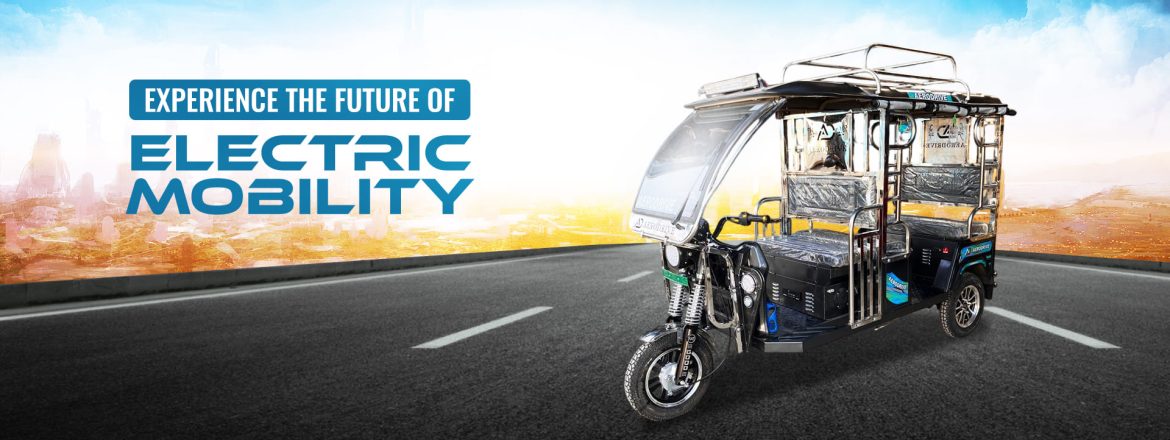
India’s urban transport ecosystem is undergoing a transformative shift. With rapid urbanization, rising pollution levels, and increasing fuel costs, the demand for cleaner, smarter, and more affordable mobility solutions has never been greater. Electric rickshaws, or e-rickshaws, have emerged as a powerful answer to these challenges — redefining the way people move in cities and townships across the country.
- A Solution to Urban Congestion and Pollution
Urban centres in India are grappling with heavy traffic and deteriorating air quality. Traditional auto-rickshaws and petrol-based vehicles contribute significantly to carbon emissions and noise pollution. In contrast, electric rickshaws run on clean energy, producing zero tailpipe emissions. This shift not only cuts down harmful pollutants like CO₂, NOx, and particulate matter but also supports India’s larger commitment to environmental sustainability.
By replacing fossil fuel-powered vehicles with e-rickshaws, cities can take a meaningful step toward reducing the carbon footprint and improving the everyday health of citizens. Cleaner air doesn’t just improve visibility — it directly enhances the quality of life for millions of commuters.
- Economically Friendly for Drivers and Passengers
One of the most compelling reasons behind the rise of e-rickshaws is cost-efficiency. For drivers, the cost of running an electric vehicle is significantly lower than maintaining a petrol or diesel counterpart. Electricity rates are more stable and cheaper compared to fluctuating fuel prices, meaning drivers can enjoy higher daily savings.
With fewer mechanical parts, e-rickshaws also require lower maintenance, reducing downtime and repair costs. These benefits often translate into better earnings for drivers — a win-win for both service providers and commuters.
From a commuter’s perspective, electric rickshaw fares remain affordable and competitive. Short-distance travel, in particular, becomes more pocket-friendly, offering an economical transport option for students, daily wage workers, and city commuters.
- Energy Independence and Cost Savings for the Nation
India is among the largest importers of crude oil, and fuel imports strain its economy. The shift toward electric transport — especially readily scalable solutions like e-rickshaws — helps reduce dependence on imported fuels and strengthens energy security.
Promoting electric vehicles aligns with national goals to expand renewable energy use. As India accelerates solar and wind energy adoption, the electricity powering future rickshaws can increasingly come from clean sources, further reducing environmental impact.
- Inclusive Transportation Access
Electric rickshaws help democratise mobility. Their compact size and manoeuvrability make them ideal for navigating narrow streets and densely populated urban neighbourhoods where traditional buses and cars struggle to enter. E-rickshaws offer first-mile and last-mile connectivity — bridging gaps between transport hubs, metro stations, and residential areas.
This inclusivity greatly benefits local economies by helping people reach workplaces, schools, markets, and healthcare facilities more conveniently. Importantly, e-rickshaws create employment opportunities for drivers and technicians, contributing to the socio-economic upliftment of communities.
- Technological Advancements Driving Adoption
As battery technology evolves, range, performance and reliability of electric rickshaws continue to improve. Modern lithium-ion batteries offer longer driving ranges and quicker charging options — enabling drivers to cover more trips daily. Integration of digital fare meters, GPS tracking, and mobile payment solutions enhances the quality of service and enables better fleet management.
Government incentives under schemes like FAME (Faster Adoption and Manufacturing of Electric Vehicles) further spur adoption by offering subsidies and tax benefits for manufacturers and buyers.
- A Strategic Step Toward Sustainable Urban Mobility
Electric rickshaws are not just a trend; they represent a strategic shift toward sustainable mobility in India. By reducing emissions, cutting operational costs, and expanding access to affordable transport, e-rickshaws are reshaping public transit — one ride at a time.
As cities grow and mobility needs evolve, the future of Indian urban transport lies in scalable, efficient, and low-impact solutions. Electric rickshaws, backed by supportive policies and growing public acceptance, are poised to lead that movement.
Ready to power the future of mobility with Aerodrive? Choose smart, sustainable, and cost-effective electric rickshaws designed for Indian roads. Join the green revolution, increase your earnings, and drive change in your city. Contact Aerodrive today and take the first step toward cleaner transportation with trusted innovation and support nationwide.